عربي
The New Generations of Egyptians Abroad
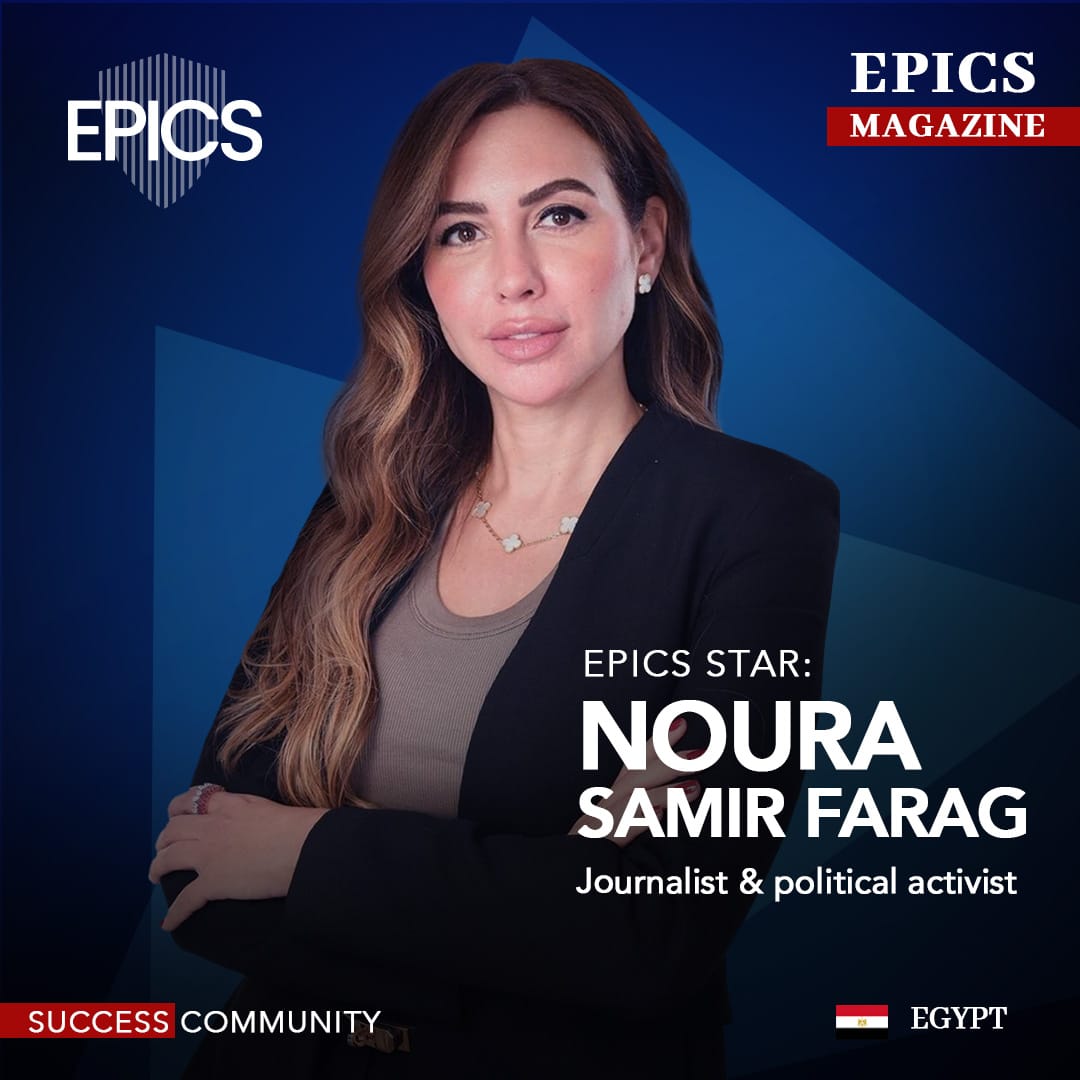
Noura Samir Farag
Journalist & Political activist
-
Instagram

-
Facebook

The New Generations of Egyptians Abroad
I was delighted by the conference organized this year by the Egyptian Ministry of Foreign Affairs for Egyptians living abroad, under the slogan, “No Matter How Far Apart We Are, Egypt Brings Us Together.” The conference brought together many Egyptians and representatives of Egyptian communities from various countries, particularly across Europe.
The idea behind the conference is excellent, as it reflects Egypt’s commitment to maintaining strong ties with its citizens abroad. However, I noticed that most attendees belonged to the first generation of Egyptians who had emigrated, while the second generation—their children—and the third generation—their grandchildren—were not represented with the same strength.

This made me think about second- and third-generation Egyptians who live permanently abroad. In the coming years, we need to focus much more attention on them because they represent a genuine Egyptian asset overseas.
Most members of the first generation were born and raised in Egypt. They love their country deeply and carry a constant sense of nostalgia for their homeland. The situation is different for the second and third generations. Most were born abroad, and their connection to Egypt may therefore be weaker, while their attachment to the countries in which they live is naturally stronger. Their friends, schools and universities immerse them in the culture of those societies. Simply put, most of them have never “drunk from the Nile.”
For some, Egypt may only come to mind when they are described as being “of Egyptian origin,” or because Egyptian Arabic is still spoken at home. This is why we must focus on reaching out to them and establishing continuous communication. Modern communication technologies provide Egypt with an excellent opportunity to maintain a permanent connection with these generations. They should also be regularly encouraged to visit Egypt and remain engaged with the dreams, aspirations and everyday challenges of Egyptians at home.
This can be achieved through cooperation between the Egyptian Ministry of Foreign Affairs and the Ministry of Youth and Sports, working closely with Egyptian communities across Europe, the United States, the Middle East and elsewhere. The first step should be to develop a comprehensive database containing information about second- and third-generation Egyptians living abroad, including their names, countries of residence and electronic contact details.
A dedicated department within the Ministry of Foreign Affairs, working with the Ministry of Youth and Sports, could collect this information through Egyptian organizations and communities abroad and communicate directly with these generations, regularly sending them news about Egypt, national celebrations and developments across the country.
The objective should be to make these young people feel that there is a permanent connection between them and their homeland. Communication could also be established between them and young people across Egypt’s governorates, eventually developing into an ongoing network that allows Egyptians abroad to follow everyday life in their homeland.
Young people in Egypt would also welcome the opportunity to communicate with second- and third-generation Egyptians abroad, providing significant benefits to both sides. When Egyptian youth travel overseas, they could find fellow Egyptians ready to welcome them. Likewise, when Egyptians abroad visit Egypt, they could find young Egyptians ready to receive them and help them reconnect with their country.
This could become the first thread in strengthening the bond between second- and third-generation Egyptians and their homeland. Organized trips to Egypt should also be arranged for these young people, with costs potentially sponsored by major investment companies, banks, corporations and business leaders.
Bringing these young Egyptians to Cairo, Alexandria and other governorates, and introducing them to the new Egypt, could have a profound impact on them. Such a journey would be “a return to the homeland” and could encourage other Egyptians abroad to visit Egypt through organized programs or private trips.
Therefore, I propose that the slogan of this initiative should be: “Return to the Homeland.” Maintaining a lasting connection between the new generations of Egyptians abroad and their homeland is particularly important because those born and raised overseas may know relatively little about Egypt. Their understanding may come primarily from foreign media outlets, some of which may present biased or negative narratives about the country.
Direct engagement is therefore essential. These young people should discover Egypt for themselves, witness what is happening firsthand and form their own independent views about their homeland. It is equally important to embrace these generations because any one of them may one day rise to an influential position in the country where they live. One might even become head of government, as happened in Britain when a second-generation son of Indian immigrants became Prime Minister.

These young people therefore represent significant Egyptian strength abroad. We must maintain continuous communication with them and strengthen their ties to their homeland. Egypt is made more beautiful by its people, wherever they may live. Egyptians abroad must remain connected to their homeland, because Egypt belongs to all Egyptians.
And that is why I always say:
Long live Egypt… Long live Egypt… Long live Egypt.
Leave a Reply
We welcome your thoughts and feedback on this post. Please keep your comment respectful, on-topic, and free of spam or promotional links. Your email address will not be published, and all comments are reviewed to maintain a constructive conversation
Required fields are marked *.