عربي
عربيThe Grand Egyptian Museum: History, Treasures, and Lessons from the Land of Civilization
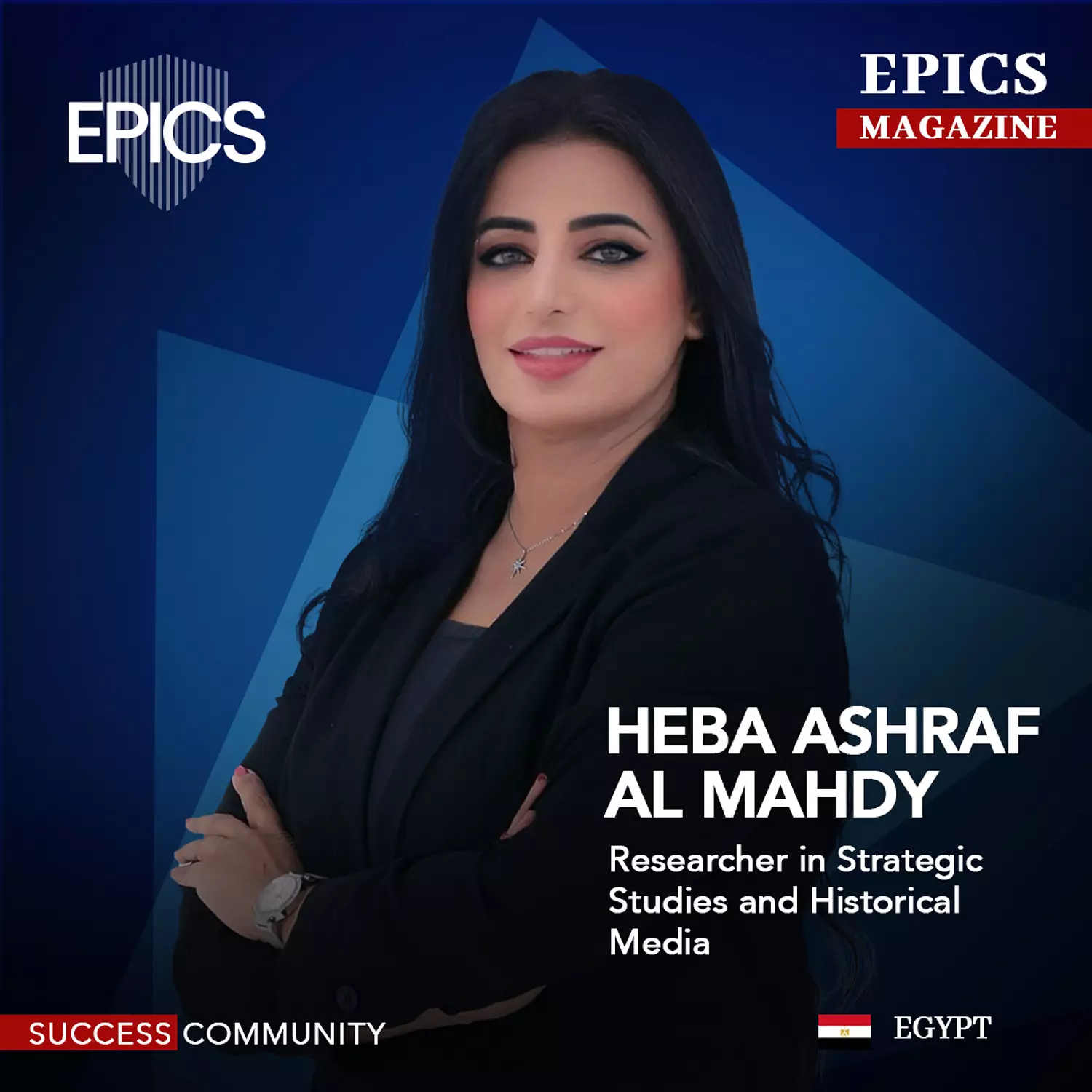
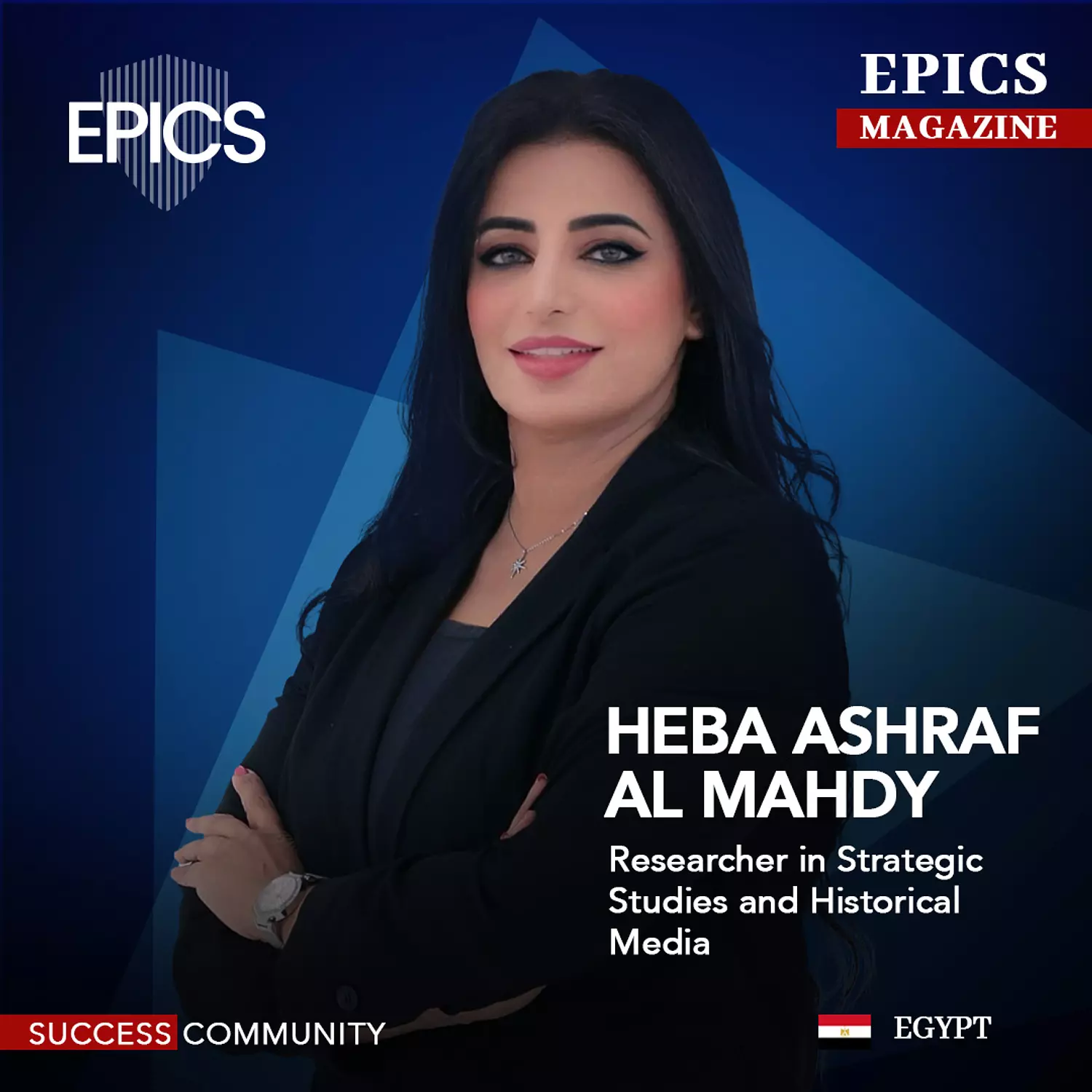
Heba Ashraf Al Mahdy
Researcher in Strategic Studies and Historical Media.
-
Tiktok

-
Instagram

-
Facebook

-
Linkedin

The Grand Egyptian Museum: History, Treasures, and Lessons from the Land of Civilization
On the outskirts of Giza, where the sands stretch to touch the shadow of the ancient Pyramids, stands the Grand
Egyptian Museum (GEM), towering as if a natural extension of time itself. It does not appear merely as a modern building housing artifacts, but as the very soul of civilization embodied in architecture.
Every stone within it whispers a secret, every corner tells a story, as if the place itself is inviting you to listen to the breath of Egypt recounting its story anew.
The choice of the museum's location was not a coincidence; the Giza Plateau is not just a patch of land, but the plateau of secrets, the spot that has attracted the energy of history and the treasures of memory.
The story began here, and from here, it returns to be told. This place acts as a magnet, drawing together the scattered keys of time, merging the past and the future in a single moment. It is as if the ancestors, when building their pyramids, left a hidden message: “One day you will return here, to remember who you are.”
Egypt’s treasures are not confined to artifacts and statues, but extend to something deeper: to the sciences in which they surpassed the world, the arts that taught humanity how to see beauty, and the leadership that was born with every Egyptian in whose veins flows the love and defense of the homeland.
Their relics were not silent stones, but carefully preserved lessons, recounted to the descendants so they may know that civilization is not a past displayed behind glass, but an identity that is renewed in every generation.
The idea of the Grand Egyptian Museum began at the start of the new millennium, as a national dream to accommodate and protect Egypt's ancient treasures in a modern way.
Since the foundation stone was laid in 2002, the project was not just a massive architectural endeavor, but a promise to revive the memory of a nation. Today, after years of diligent work, the museum has become one of the largest and most modern archaeological institutions in the world, housing more than a hundred thousand artifacts that tell the journey of the Egyptian people since the dawn of history.
As you walk through its spacious halls, you feel less like you are visiting a museum and more like you are entering another world. There, the statue of Ramses II stands in the main atrium, as majestic as ever, welcoming visitors as if he is the owner of the place. His eyes gaze into the horizon, a look that carries pride in the present and confidence in the future. Around him are scattered pieces that speak of kings and queens, of craftsmen and artists, of scientists and philosophers, all of whom left their mark on stone, gold, and colors, but above all, left an impact on the human consciousness.
One of the most distinctive features of the museum is that it houses the complete collection of Tutankhamun, displayed together for the first time in one place.
Imagine seeing his treasures as they were found, in all their elegance, precision, and magic. A small ivory box next to a gleaming golden mask, and before them a finely crafted war chariot, making the visitor stand in awe before the genius of our ancestors.
No explanation or commentary is needed; the sight alone is enough to convey that this civilization was built not only by the strength of its people but by the deep conviction that eternity is possible.
But what truly makes the Grand Egyptian Museum different is that it doesn't just display the past; it connects it to the present in a clever and human way. The modern display technologies, the lighting that respects the soul of the artifacts, and the open spaces that make the visitor feel expansive—all create a unique emotional experience. You are not looking at history; you are living it. You hear its voice, smell its scent, and almost see the shadows of the ancestors walking beside you.
And here begin the lessons that the ancestors intended to reach us.
The First Lesson: That identity is not something we write on paper, but a pulse we carry in our hearts.
The Second Lesson: That beauty does not die, but transforms from one form to another, just as the pyramids transformed into an eternal symbol.
The Third Lesson: That one who knows their roots can never be lost, because the land that gave birth to them preserves them just as it preserves secrets within its depths.
The Grand Egyptian Museum is not only a gateway to history but a mirror to the present and an invitation to the future. Within its halls, the past meets the dreams of tomorrow, and the stone transforms into a story, the statue into an idea, and the artifact into a lesson in creativity and perseverance.
It is a message to the entire world that Egyptian civilization still thrives, and that Egypt was never just a page in the history book, but the book itself.
From a spiritual perspective, the museum’s location at the foot of the Pyramids grants the place a unique energy. It is as if the power of those ancient stones flows through its precincts, making it alive. Everyone who has visited knows that moment when they feel both serenity and wonder, as if something within them has returned to its origin.
Perhaps it is because we all, in some way, belong to this land that taught the world the meaning of eternity.
It is not just an archaeological monument, but an open lesson in patriotism and awareness. It reminds us that defending the homeland is not only by arms, but by knowledge, by preserving history, and by passing the message on to those who come after us.
Just as the ancestors preserved their treasures in the earth's vaults, we must preserve their spirit in our consciousness, and complete the creation and building they began.
It is a covenant between the past and the future, between ancestors and descendants.
And when you leave the museum, you turn back from afar and see the Pyramids behind it, as if they are smiling in contentment. You feel that history is no longer behind you, but walking with you. You realize then that civilization is not what we see, but what inhabits us.
It is the place that makes you proud not only of what your ancestors did, but of what you can do as an extension of them.
It is not just a building of stone and glass, but the beating heart of Egypt, combining ancient glory with the eternal dream, bringing together Ramses, Tutankhamun, and everyone who walked this land, to say to us all:
"I am Egypt... I am still here, telling the world the story of eternity."
Leave a Reply
We welcome your thoughts and feedback on this post. Please keep your comment respectful, on-topic, and free of spam or promotional links. Your email address will not be published, and all comments are reviewed to maintain a constructive conversation
Required fields are marked *.